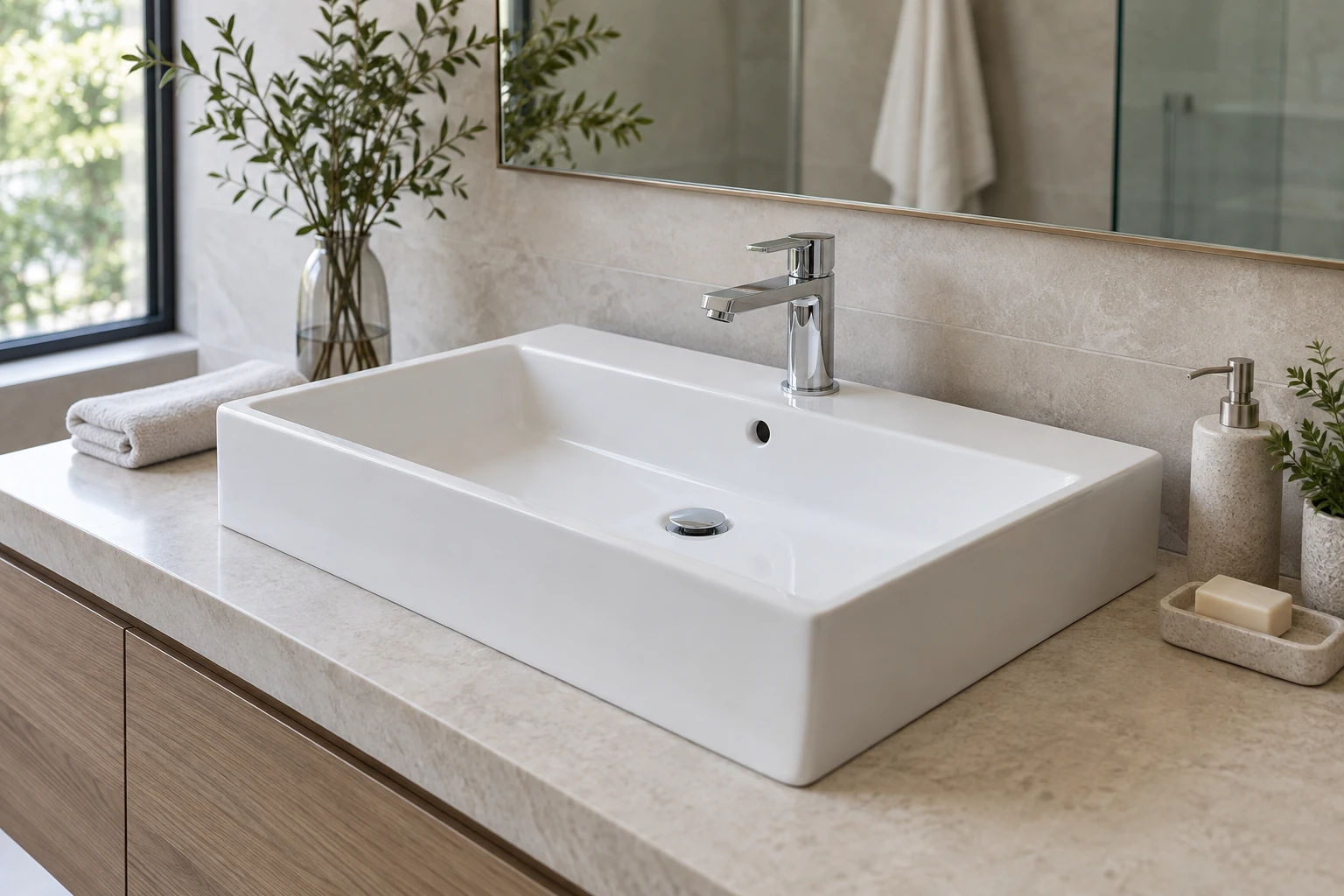
Most sourcing problems begin before the purchase order. A buyer selects a basin that photographs well, but the size does not suit the local cabinet range. A finish looks right in a sample but was never defined clearly enough for bulk inspection. A carton seems strong, yet the basin can still move inside it during multiple handling stages.
The best selection process brings product, installation and logistics into the same conversation. Here is a practical way to do that.
Start with the buyer you actually serve
A distributor building a broad stock range has a different job from a contractor supplying one apartment program. The distributor may need several familiar forms that cover different price points. The contractor usually needs fewer models, but dimensions, approval samples and repeatability matter more.
Write down the commercial role of each model. Is it a core white basin that should sell steadily? A compact option for smaller vanities? A colored statement piece for showroom attention? If two models serve the same role, one of them may be unnecessary in the first order.
Match the installation method to local practice
Countertop basins are easy to present as individual products and work with many vanity programs, but the buyer still needs the footprint, overall height and drain position. Wall hung sinks require closer attention to mounting, wall construction and plumbing. Pedestal basins add floor and wall coordination. Models with faucet holes can simplify a package where deck-mounted taps are standard.
Do not group products only by appearance. Keep installation type visible in product data, cartons and sales material so the wrong model is not quoted for a project. Our countertop versus wall hung sink comparison explains the coordination differences in more detail.
Treat basin size as part of a system
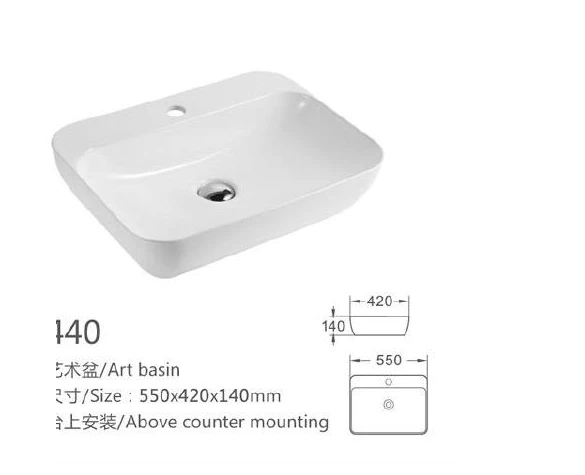
Length and width are only the starting point. Overall height affects the finished tap relationship. The base footprint affects countertop contact. Drain position can influence cabinet drawers and plumbing. A rear deck or faucet hole changes the usable bowl area and the tap arrangement.
For cabinet programs, confirm the current technical drawing before cutting. The guide to ceramic sink sizes for vanity manufacturers covers the cabinet, drawer and tap relationships that need checking. Catalog dimensions help with the first shortlist, but production approval should use the agreed model sheet and sample where the fit is critical.

Build a shape mix instead of collecting shapes
Round and oval basins
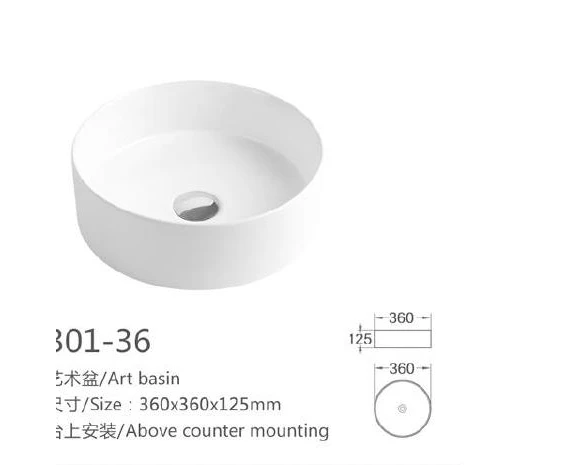
Round forms are familiar, visually compact and useful for general assortments. Oval basins can provide more lateral wash space without appearing as heavy as a broad rectangle. Both can work well where the countertop has enough depth and the faucet is positioned separately.
Square and rectangular basins
Rectangular sinks coordinate naturally with linear vanities and contemporary bathrooms. Corner radius matters: a very sharp profile reads differently from a softly rounded one, and the bowl geometry affects cleaning and water movement.
Special shapes
Use distinctive shapes selectively. They can help a showroom or brand collection stand apart, but the buyer should check that the form has a clear customer and does not complicate cabinet matching or replacement.
Choose colors and finishes with an approval method
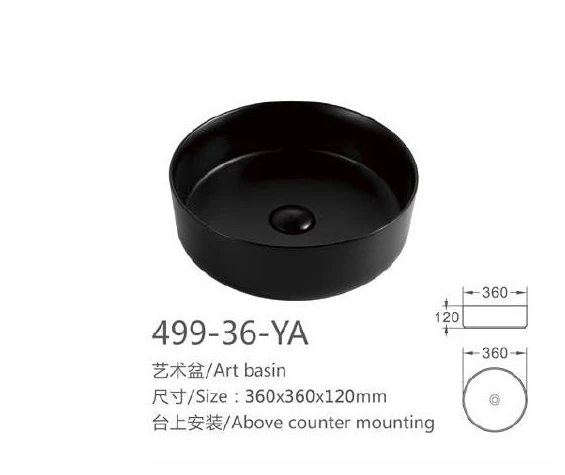
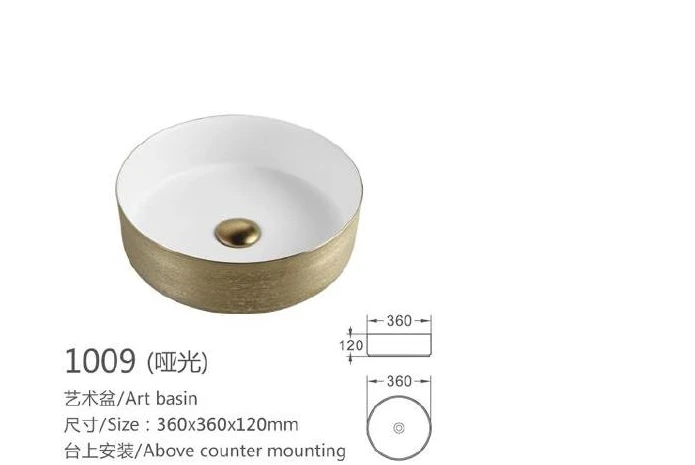
Glossy white remains practical because it is easy to combine with sanitary ware and bathroom furniture. Black, grey, colored glaze and metallic finishes can strengthen a focused range; our guide to white and colored ceramic sinks for different markets shows how to give each finish a commercial role.
Ask how the finish will be approved. A physical sample is useful when color or surface effect is important. Metallic appearance changes with lighting and viewing angle. Matte surfaces can also show handling marks differently from glossy glaze, so packaging protection and showroom care deserve attention.
Set inspection points before production
“Good quality” is too broad to inspect. Define the points that matter for the model and market:
- visible glaze areas and the agreed surface acceptance;
- overall dimensions and any cabinet-critical measurement;
- drain position, faucet holes and overflow features where applicable;
- color or finish reference;
- product identity, quantity and packing method.
The list does not need to be complicated. It needs to be specific enough that the buyer and supplier are checking the same product. See the detailed ceramic sink glaze inspection method for viewing zones and lighting guidance.

Review packaging as part of the product
Ceramic sinks can pass factory inspection and still arrive damaged if they move inside the carton or meet repeated impact during consolidation, warehousing and delivery. Look at internal supports, separation between surfaces, carton strength and the way cartons will be palletized or loaded. The article on ceramic sink packaging for ocean freight explains how those elements work together.
A heavier sink or unusual shape may need a different packing arrangement from a small round basin. If your route includes multiple transfers, explain that before packing is approved.
Make a working shortlist
A first order does not need to represent every catalog possibility. Build a shortlist with a job for each model: core volume, compact size, rectangular vanity option, dark finish and one or two design-led products. Then check dimensions, samples, packaging and pricing on that smaller group.
This makes review faster and gives the sales team a clearer story. After the first range performs, the catalog can expand based on real gaps rather than guesswork.